
Zeneca Cleanup
We’re working with our partners and community members to demand a full and complete cleanup of this Superfund-qualified site.


Photo: Ian A Stewart

Missed our August 6th “Ask the Expert” Community Meeting? No worries! Here’s the information our Technical Advisor presented that summarizes where the cleanup stands now, what risks remain and what questions our community should ask going forward.
Site
The Zeneca site spans 86 acres on Richmond's southeast shoreline. For over 100 years, corporations manufactured hundreds of hazardous products here and dumped their toxic waste out the back door, filling in the San Francisco Bay.
Community Profile
Richmond is an environmental justice community, where nearly 20% of residents live below the poverty line. Directly across I-580 from the site is Crescent Park, a neighborhood whose residents face one of the lowest life expectancies in the state. They suffer high levels of asthma, cancer, and/or cardiovascular disease.
Issues
Substandard cleanup efforts have left dangerously high levels of toxic and cancer-causing chemicals and heavy metals in the soil and groundwater, earning the site "burdened property" status that restricts residential and sensitive uses to this day.
Despite this, in 2020, a lame-duck Richmond City Council approved a plan to build 4,000 housing units here, relying on a cleanup plan that leaves 98% of hazardous materials in the ground and does not address the site’s vulnerability to sea level and groundwater rise.
Richmond Toxic Sites 101
Richmond has a high number of toxic waste sites—including the Zeneca site. Learn why that is and who’s most at risk living near the Zeneca site in these easy-to-read guides.
Zeneca: Over 100 Years of Poisoned Ground


What Experts Are Saying
“This is a toxic site. Who will pay for it when we find out that there are clusters of cancers or children come down with strange illnesses?”
— Norman LaForce, Attorney
-
“If you make a mess in the corner (the Zeneca site), you don’t just leave it there; you clean it up. Otherwise, it becomes even more unusable..”
— Eduardo Martinez, Mayor of Richmond
“This is a world-class scary cornucopia of chemicals, many of which will never degrade. It just seems to me on its face to be an injustice and, frankly, stupid to put housing on a contaminated site.”
— Dr. Kristina Hill, University of California, Berkeley
FAQs
-
It escaped federal Superfund listing because Zeneca used a loophole allowing wealthy polluters to seek state oversight instead of the federal EPA. This US EPA Superfund-qualified site "poses a threat to human and environmental health" and scored very high on EPA’s Superfund ranking, no trivial distinction.
-
There are over a hundred types of Class 1 hazardous waste in high volumes in both the soil and groundwater here. These include, but aren’t limited to carbon disulfide, sulfuric acid, metals, polynuclear aromatic hydrocarbons, DDT, PCBs, and a variety of pesticides and volatile organic compounds (VOCs) including benzene, vinyl chloride, and trichloroethylene (TCE), as well as radioactive materials.
-
The plan—which will remediate the site to commercial, not residential standards—relies on an expired geotechnical report and outdated sea-level rise and health risk assessment information.
We don’t believe this plan—removing less than 2% of the 550,000 cubic yards of contaminated soil, soil vapor extraction, and groundwater treatment, followed by installing a concrete cap over the site—will prevent exposure and potentially harmful consequences.
The remaining toxic waste deep in the soil will undergo an onsite treatment in an attempt to detoxify or immobilize it. However, there’s no substantial evidence showing that the proposed onsite treatments will be effective, especially over the long term.
As for the proposed concrete cap, the site is in a high-risk liquefaction zone, 1.5 miles from the Hayward Fault and within yards of a recently discovered subfault just offshore. Also, sea level rise, atmospheric rivers, and high tides cause the groundwater inland to be pushed upward into storm drains and, during heavy rainfall, to breach the soil surface. A concrete cap won’t stop these events, and flooding will certainly spread contamination beyond the site.
-
We’re calling for all contaminated soil to be removed (via rail) so the site can be cleaned up to the highest, most health-protective standard. This means digging down to the deepest level where contaminants are and removing that soil completely, replacing it with uncontaminated soil. We call for treating the soil offsite, at a facility that is properly equipped and licensed to process and treat toxic waste to minimize possible negative health and environmental impacts.
We are unalterably opposed to transporting the contaminated soil to Class 1 Hazardous Waste dumps near other frontline communities, such as Kettleman City or Buttonwillow.
-
Yes. The original agency in charge of the site, the San Francisco Regional Water Quality Control Board, deemed it a “burdened property” back in 1998. The site’s current regulatory agency, California’s Department of Toxic Substances Control, has maintained that status. That means no detached, single-family houses, hospitals, K-12 schools, senior centers, day care centers or ground floor residences may be built on the property, and other residences may only be built following the approval of state environmental agencies.
Richmond has many other sites more suitable for building housing that are closer to public transit and urban amenities like stores, restaurants, and other small businesses.
Take Action
-
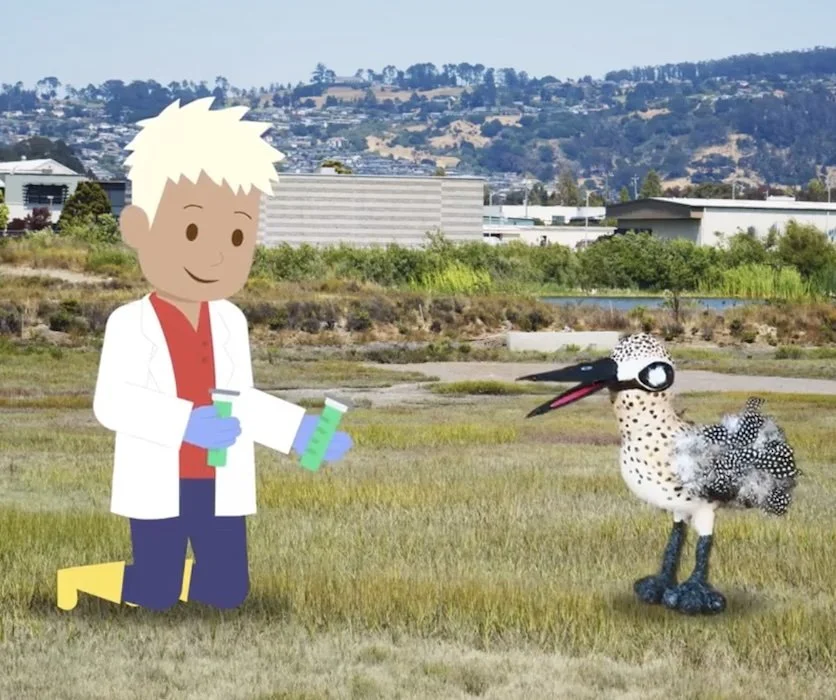
View "Toxic Tales" Video Series
This series tells the story of Zeneca site and the hidden health dangers it poses.
-

Take a Toxic Tour
Learn about the toxic history and hazards of the Zeneca site, in-person or online.
-

Get the Facts
This site has been studied for 30+ years. Find the research and data here.