
United Heckathorn Cleanup
We’re working with our partners to secure a complete and permanent cleanup of this Superfund site by the U.S. Environmental Protection Agency – starting with re-engaging the community via a series of public meetings

READ ALL ABOUT IT! Updated Community Proposed Cleanup Plan
While we await the U.S. EPA’s cleanup proposal for the United Heckathorn site, Richmond Shoreline Alliance and partners have released our own community-driven plan, created with input from scientists, advisors, and advocates. Check it out now.
Site
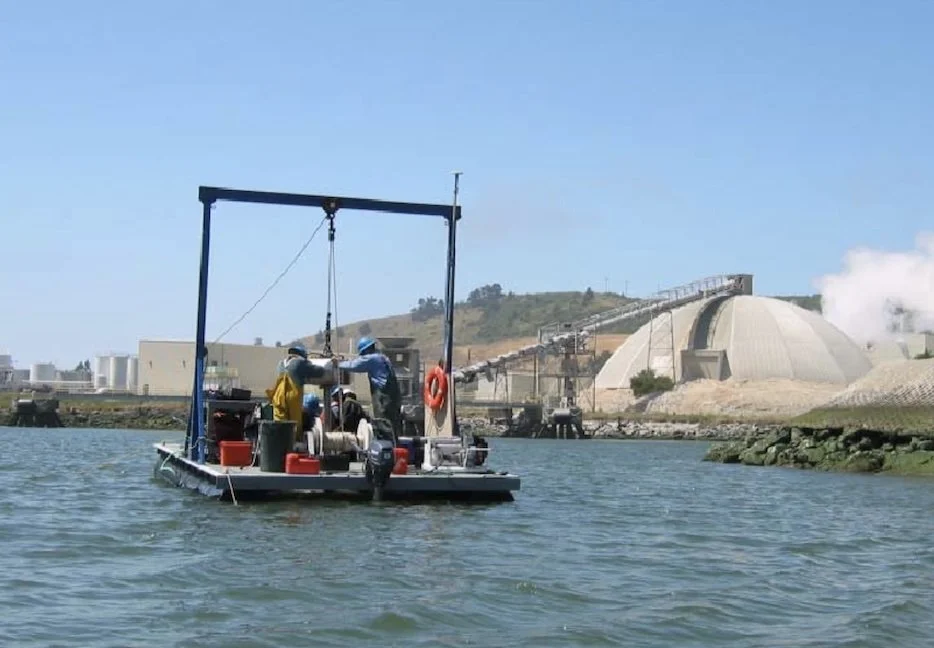
The United Heckathorn site spans 20 acres in the Richmond Inner Harbor; five acres of land and 15 acres of marine sediments in the Lauritzen Channel and Parr Canal.
Community Profile
Richmond is an environmental justice community where nearly 20% of the residents live below the poverty line. Almost 83% of its residents identify as people of color, many of whom face health challenges due to the community’s environmental burdens.
Issues
Despite a large-scale cleanup overseen by U.S. EPA in the mid-1990s, unsafe levels of DDT and dieldrin – highly toxic chemicals to humans and wildlife – still persist, exceeding cleanup goals set 30 years ago.
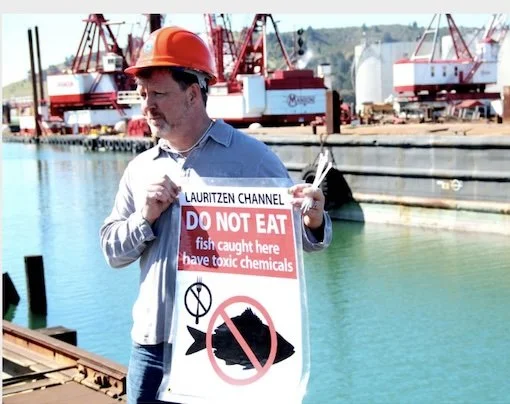
The trouble spot is the Lauritzen Channel, which now has more DDT than before the 1996 cleanup: fish from the channel showed DDT levels hundreds of times higher than others caught elsewhere in San Francisco Bay.
The U.S. EPA has been working on a new cleanup plan since 2012, but concerns remain about its effectiveness – especially given over a decade of inaction and the need to address future sea level rise, a critical factor not considered in the earlier cleanup effort.
Plus, future climate change could also make erosion happen faster in the site’s land area, which might stir up polluted sediment, overload storm drains, and compromise infrastructure. All this could make it harder to keep the site’s marine area safe and clean.
United Heckathorn: A Toxic Legacy Continues


What Experts Are Saying
“What we’ve learned since then is that 50% of those efforts (dredging methods and technology in the mid-1990s) have failed.”
— Kelly Manheimer, former U.S. EPA Site Manager
“Concentrations in the north and central portions of the Site are 10 to 500 times that of the remedial level, with sediment from the central portion of the Lauritzen Channel up to 3,800 times that of the remediation goal.”
“The site poses a threat to public health and environmental receptors, but progress toward a decision on the preferred remedy has been slow.”
— Allan Fone, Senior Environmental Scientist, DTSC
FAQs
-
DDT is especially harmful, not only because it degrades very slowly, but also because it accumulates in the fatty tissue of animals, including humans, causing a range of health harms. These afflictions include cancer (particularly liver cancer), reproductive problems, and disruption of the endocrine system, particularly when exposed to high levels over long periods of time. This is especially concerning for wildlife due to its impact on egg shells and reproduction rates. This article provides a deeper understanding of the risk to human health.
If that wasn’t enough, there’s the site’s proximity to the larger San Francisco Bay, with its wildlife (including many endangered species) and a human population of nearly 8 million people, many of wh who use the Bay for recreation.
All of these dangers led California in 2011 to ban eating fish and shellfish caught in the Lauritzen Channel.
-
We believe this cleanup failed for multiple reasons:
• Inadequate remediation approach: The initial cleanup primarily focused on removing contaminated soil but didn't fully address the marine sediment contamination in the adjacent harbor area.
• Incomplete containment: The capping system used to isolate remaining contaminants proved insufficient, allowing DDT and other pesticides to continue leaching into the surrounding environment.
• Recontamination issues: After the initial cleanup, the site experienced recontamination as storm water runoff and other pathways transported pollutants back into the remediated areas.
• Underestimation of contamination: The initial assessment likely underestimated how deeply and widely the contaminants had spread throughout the site and surrounding areas.
-
We have a number of concerns and questions, among them:
Will the U.S. EPA fully consider why its mid-1990s cleanup failed to remove DDT from the Lauritzen Channel (see the FAQ above)?
Why did the process stall for ten years without any updates to the public?
Which specific failures of the first cleanup are going to be addressed with the new cleanup proposal?
Will the new plan account for projected sea level rise and groundwater rise, factors not considered in the previous cleanup?
Take Action
-

Get the Facts
This site has been studied for 30+ years. Find the research and data here.
-

Take a Toxic Tour
Explore the Zeneca site, another toxic site in Richmond, in-person or online.
-

Join in the Fight
Be a champion for Richmond and our shoreline.